
Verizon Visa Card | Role: Senior Design Manager
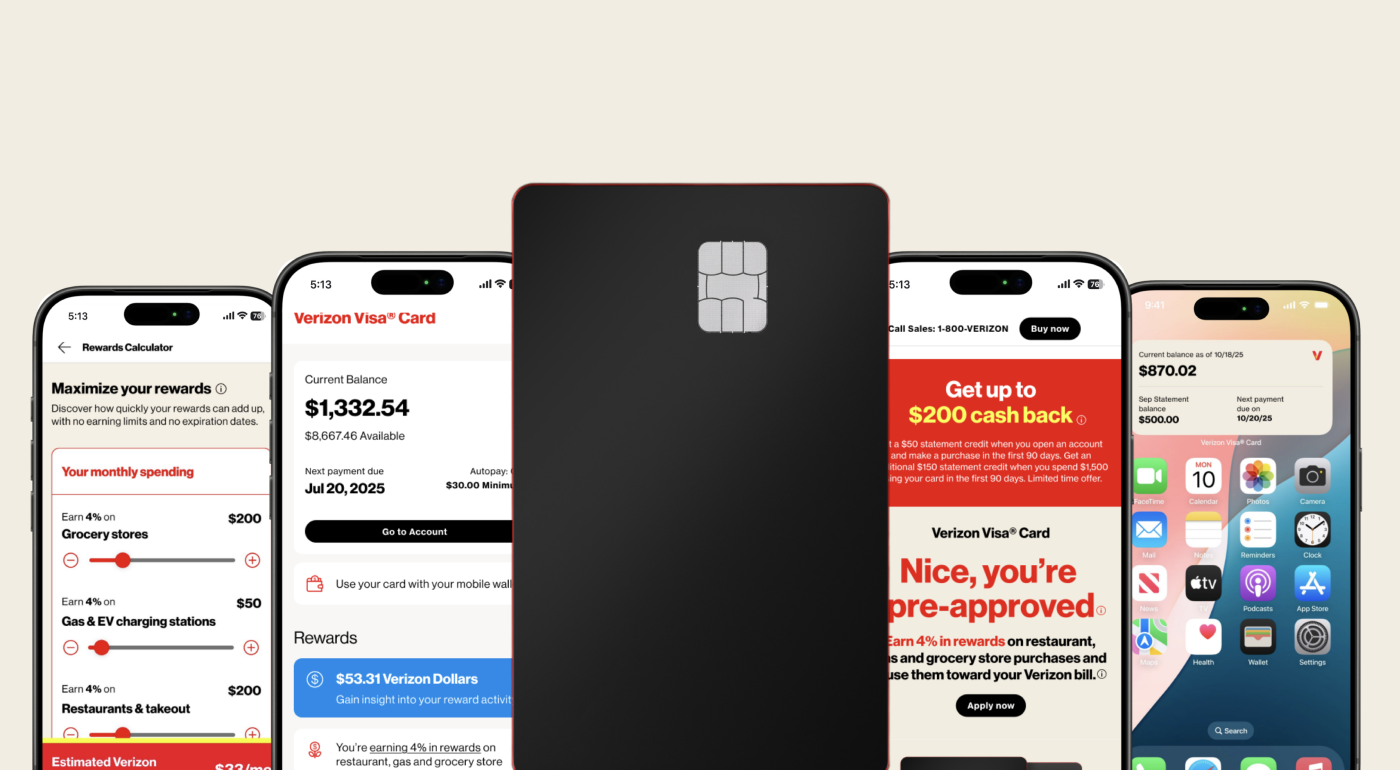
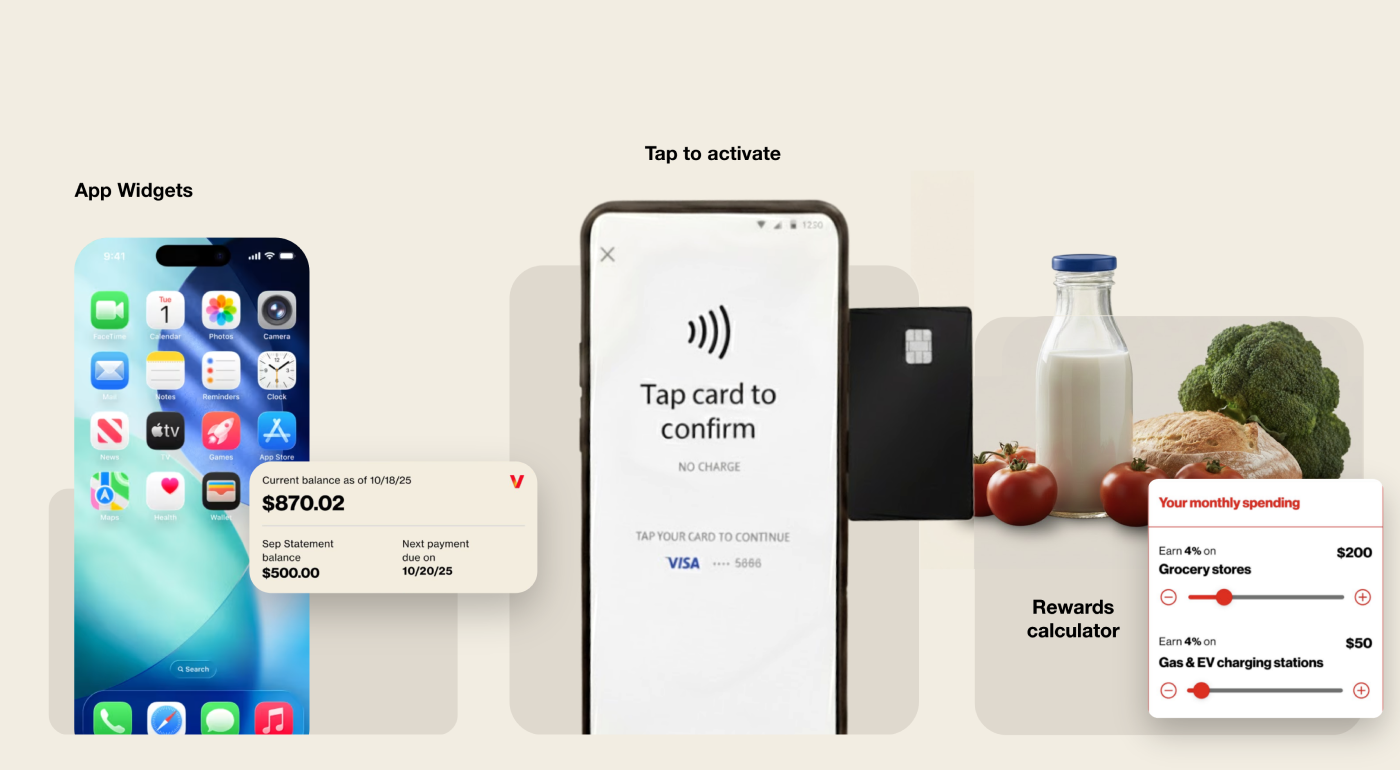
Making value visible
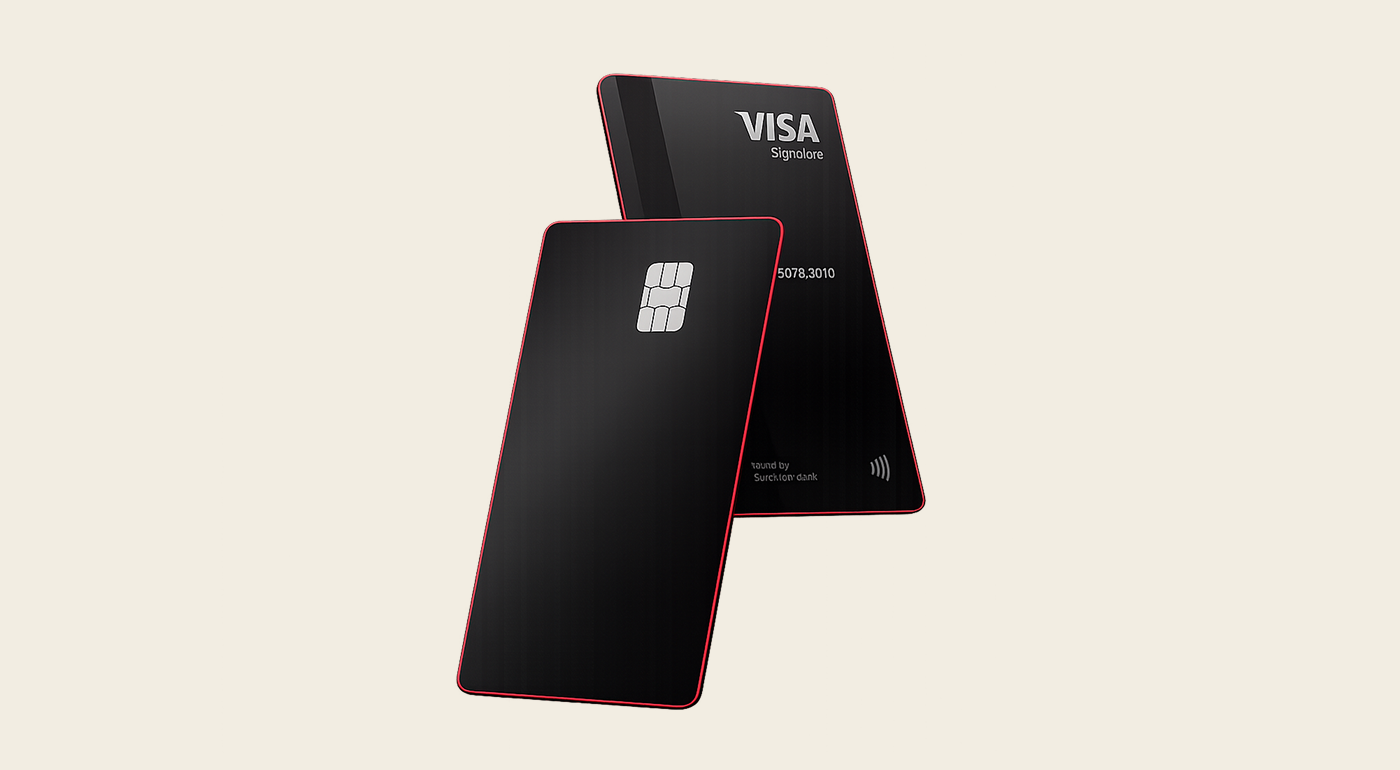
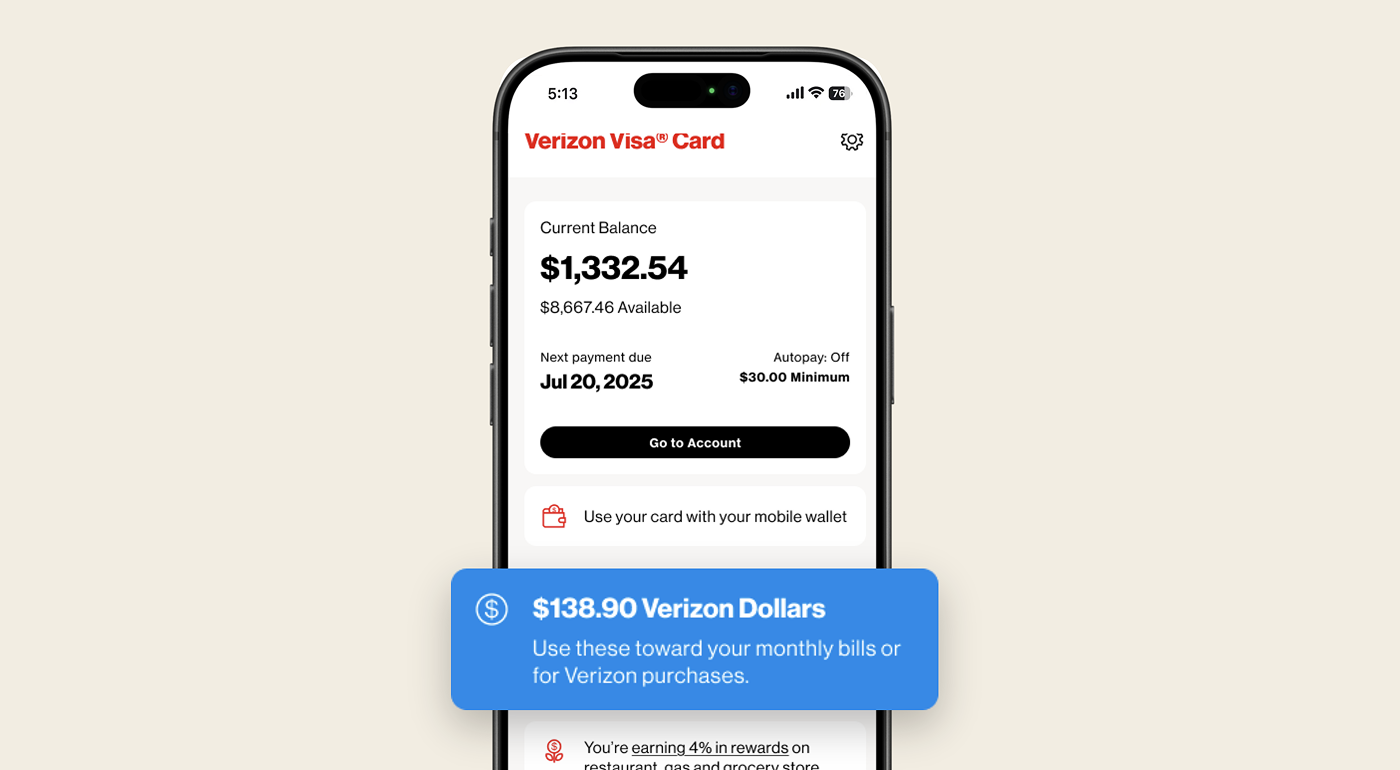
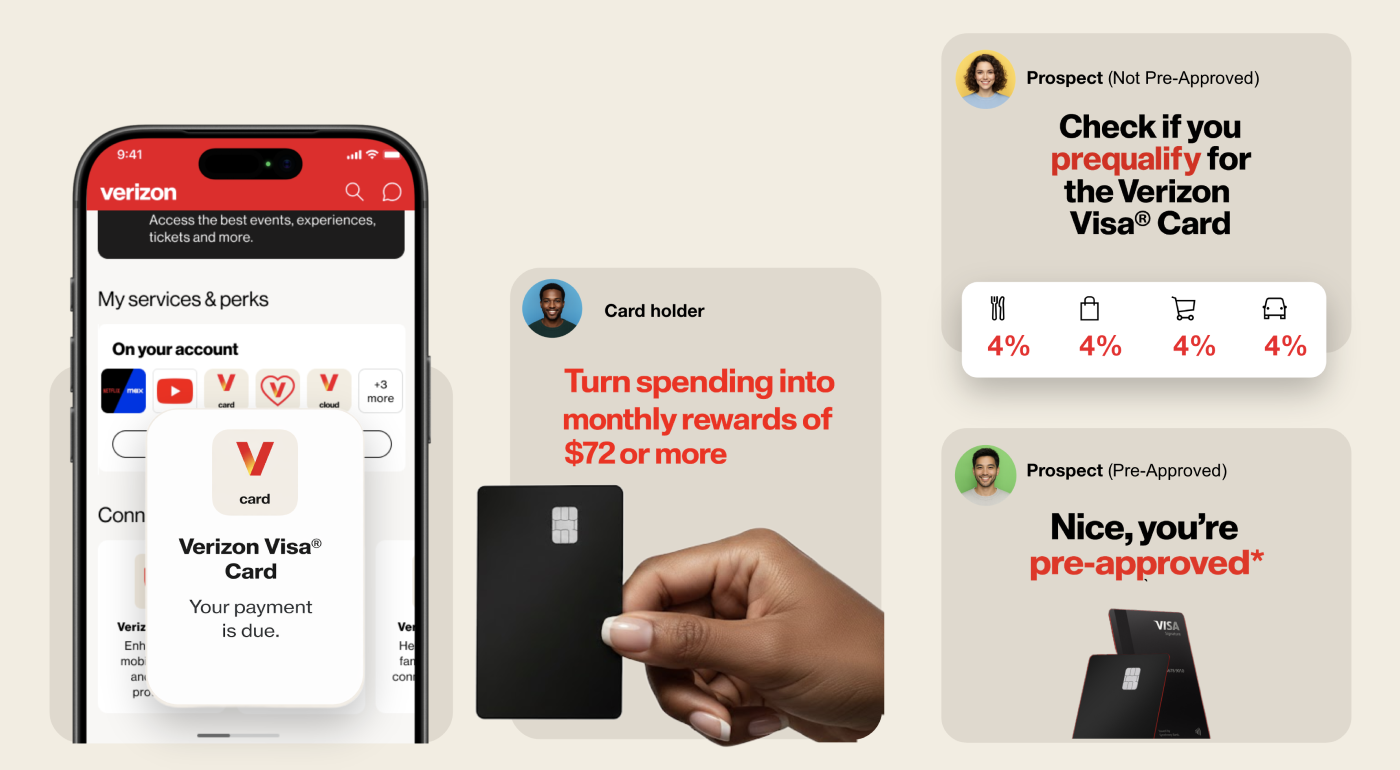
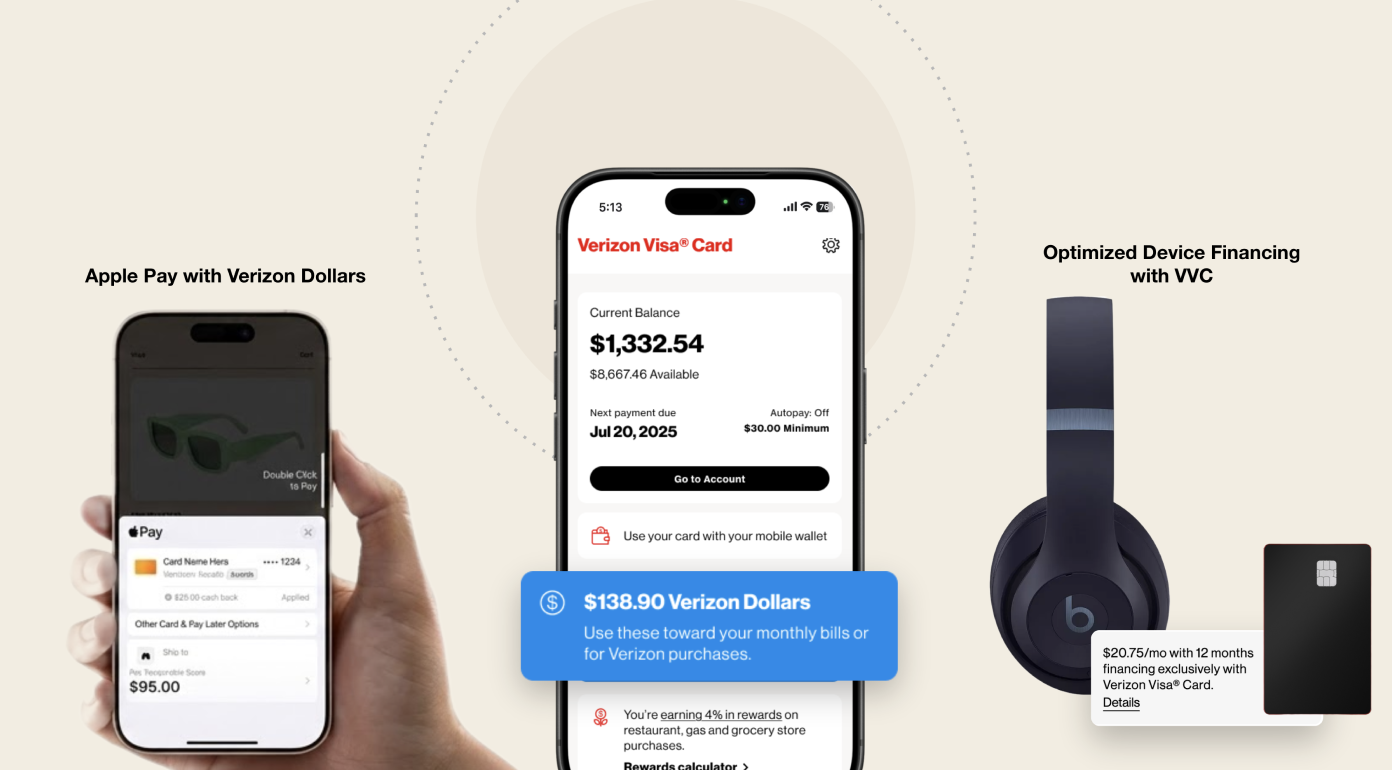
As Senior Design Manager, I reframed post-activation disengagement as a value clarity problem, led a heuristic evaluation uncovering critical experience gaps, and delivered measurable results including a 90% activation rate, 5% spend growth, 10% reduction in closures, and 26% MAU lift.
Verizon Home app | Role: Design Manager
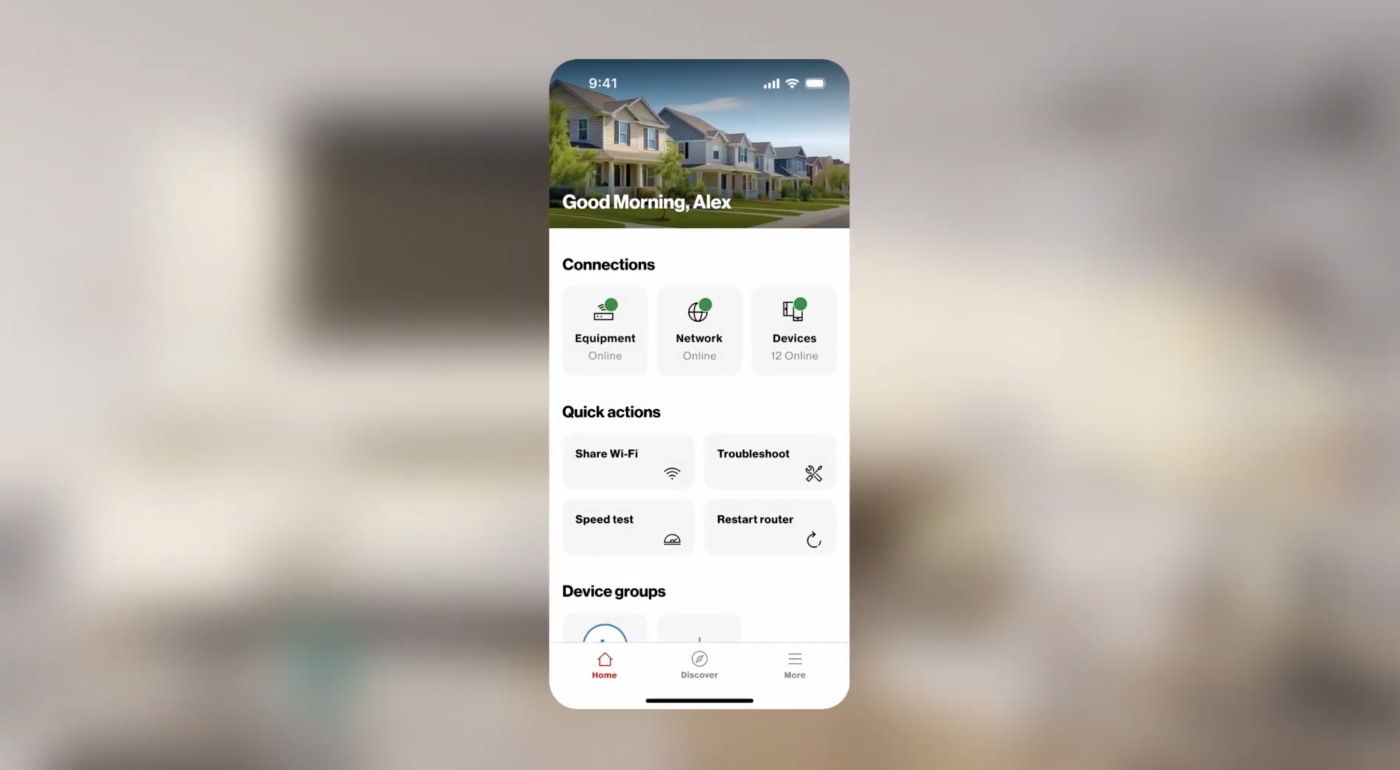
Bundling a constellation of apps into a unified platform
As Design Manager, I led the strategy and launch of the Verizon Home App, replacing four disconnected apps with a single platform for 12 million households and achieving 322K MAU, a 48% return visitor rate, and an App Store rating that rose from 3.7 to 4.5.

Verizon Home | Role: Design Manager and Designer
Digital safety & online security at home
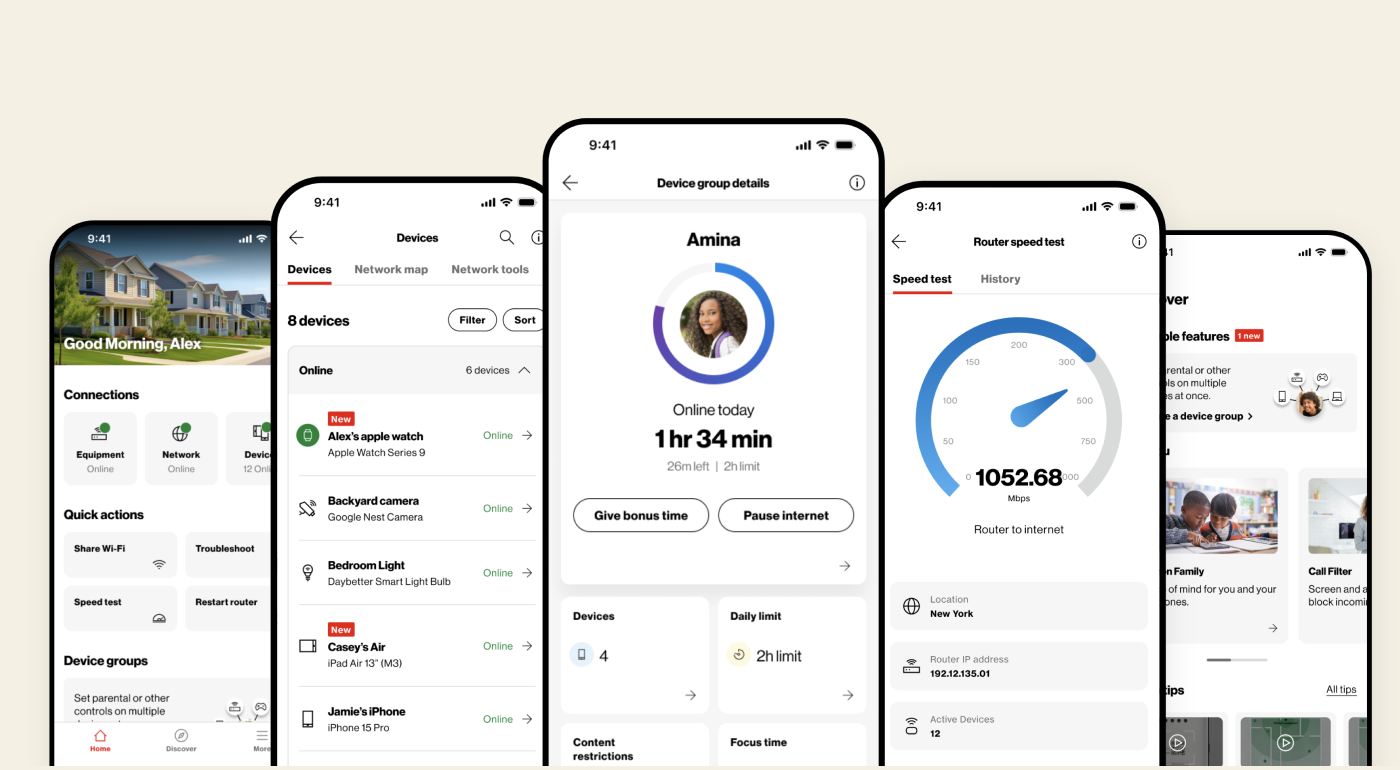
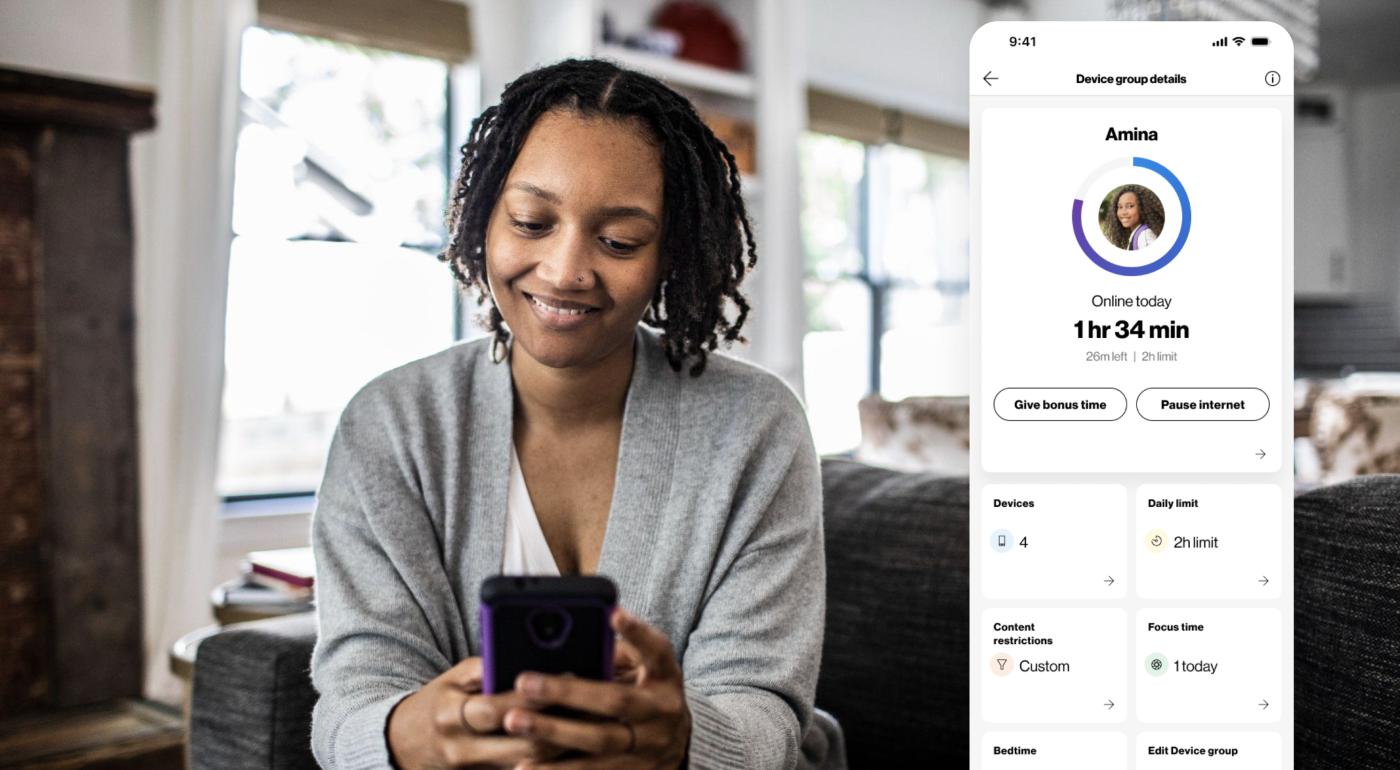
Managing a home network is complicated enough without having to manage it across multiple apps. For parents trying to set boundaries around their children's internet access, the experience was especially frustrating. Controls were buried, disconnected, and required more effort than any parent should have to spend.
As Design Manager and designer, I led the design of parental controls inside the Verizon Home App. Device grouping, downtime scheduling, and on-demand pause gave parents real control in one place. Every feature went through multiple rounds of usability testing before launch. The result was 120K parental control profiles created at launch and one of the most used features in the app.
Verizon | Role: Design Manager
Designing for Conversational AI
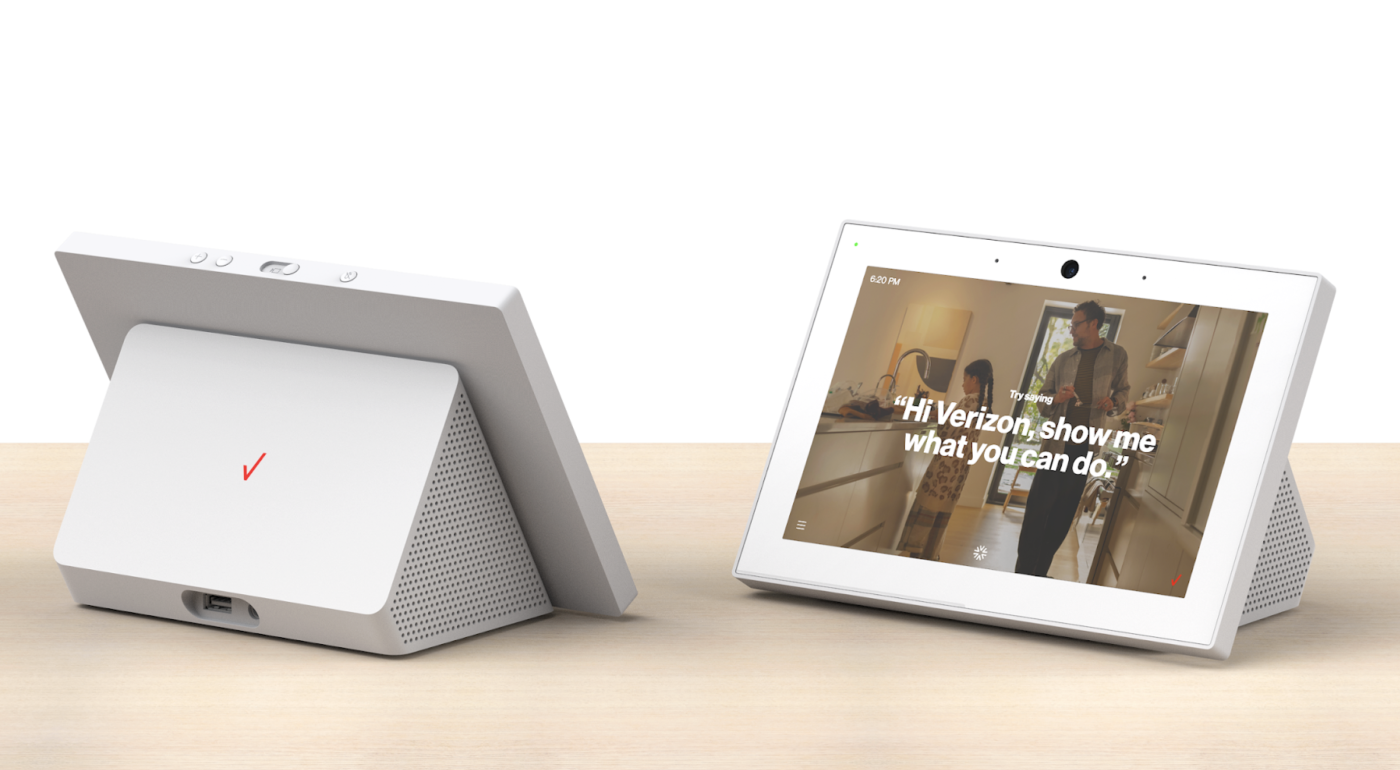
Home internet setup and troubleshooting had long been a source of friction for Verizon customers. Most problems ended in a support call, costly for Verizon and frustrating for the customer. I led a team exploring a different answer: a conversational AI smart display that could guide customers through setup and troubleshooting using voice, vision, and text, at a time when no established design patterns existed for that kind of experience.
What made the work significant was not just what we built but when we built it. The technology was emerging, the organizational alignment required to ship it was hard-won, and the design decisions had no precedent to lean on. We defined the experience architecture, integrated Verizon Assistant with Alexa, and validated the concept through trials with 1,000 Fios customers, building cross-functional capability around multimodal AI that positioned the team years ahead of where the industry was heading.

Web.com | Role: Design Manager
Building consensus, then building the design system
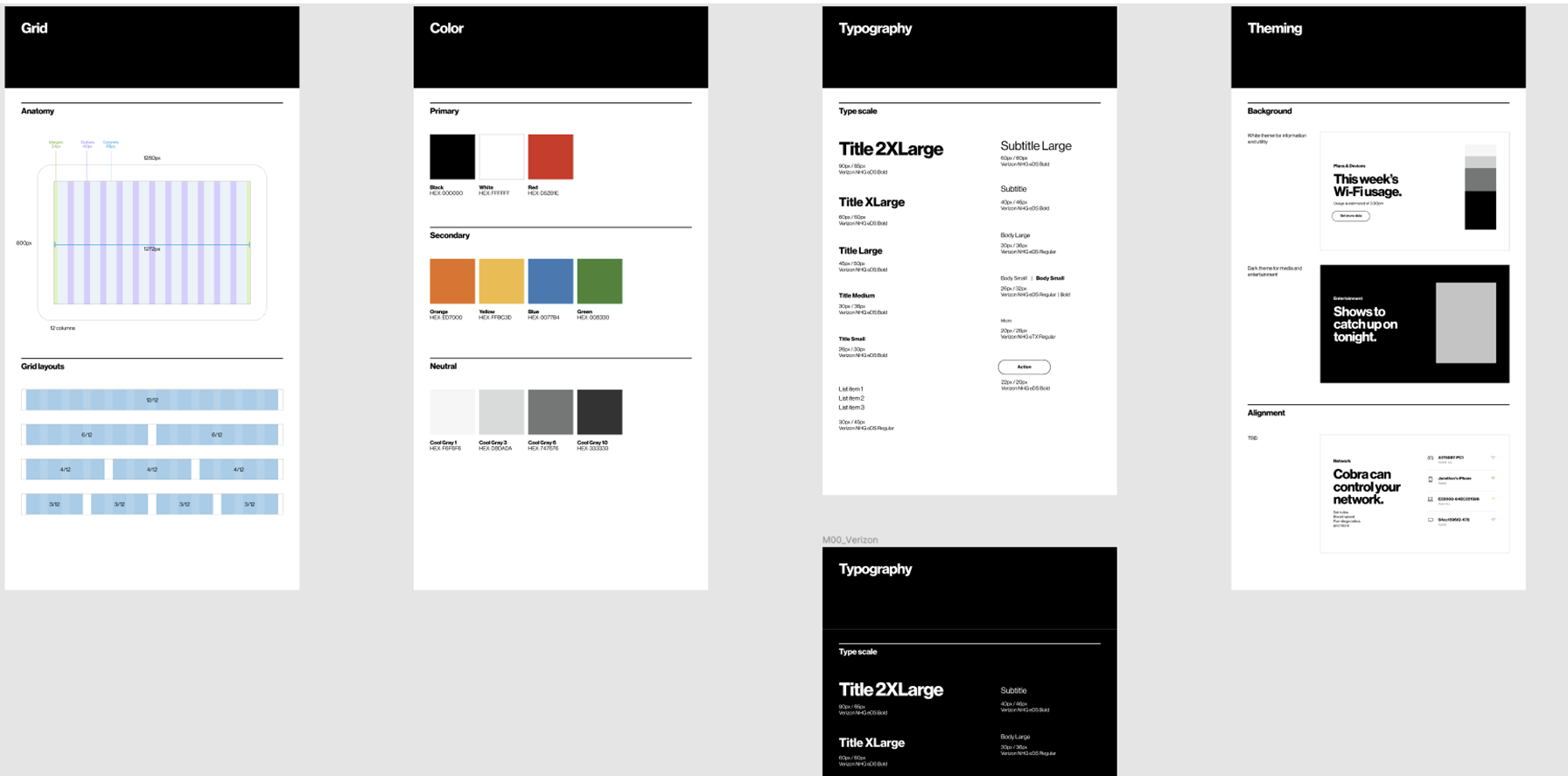
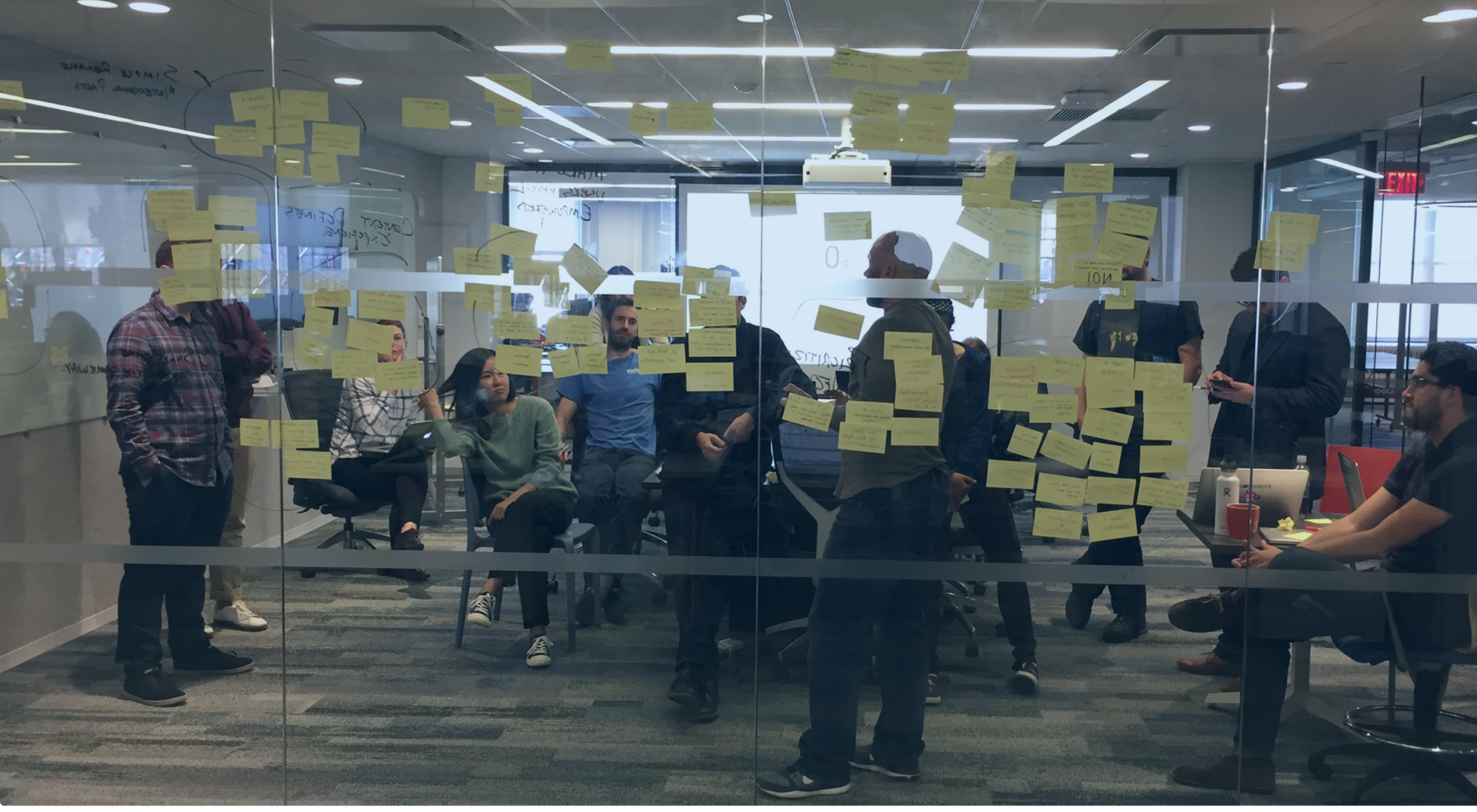
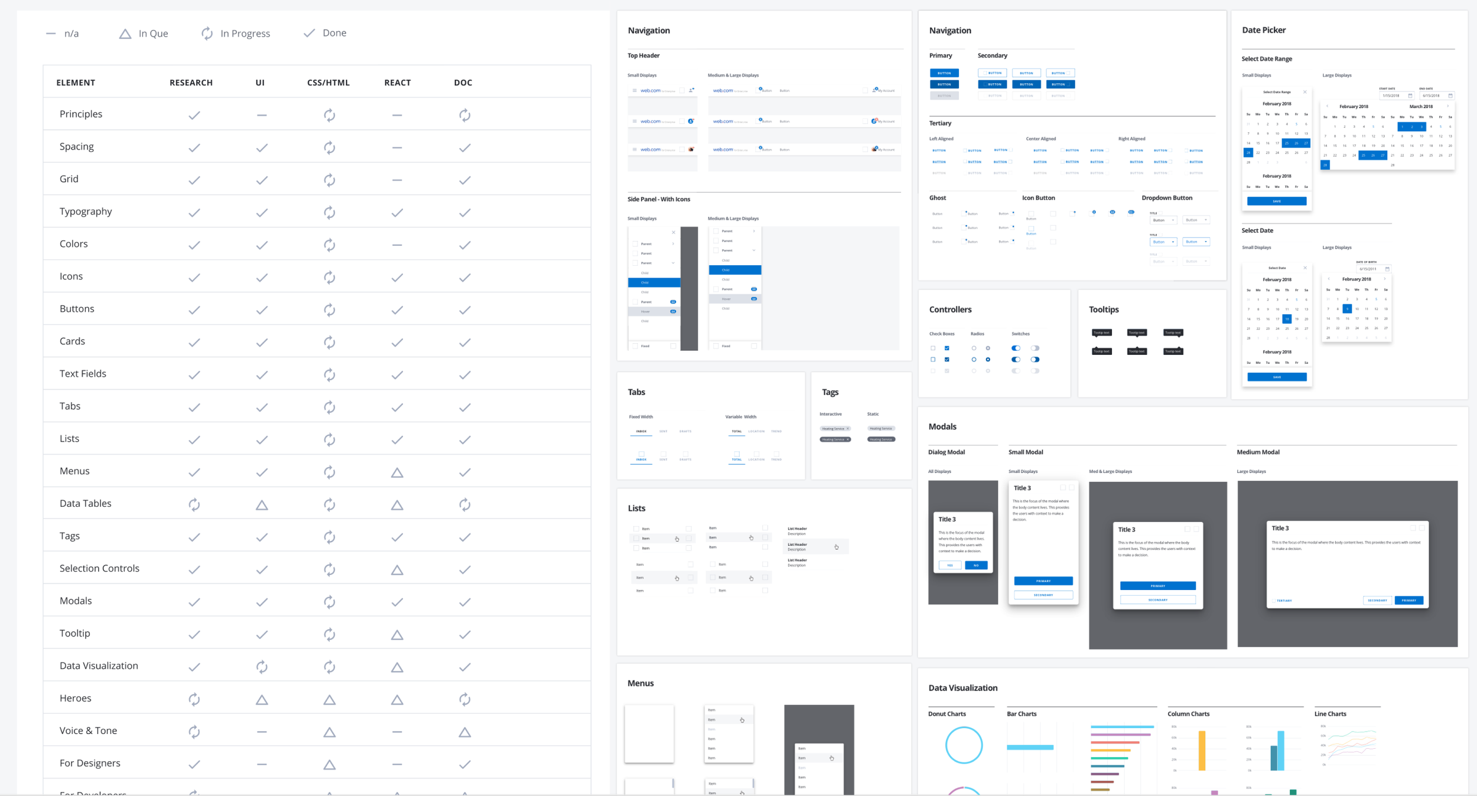
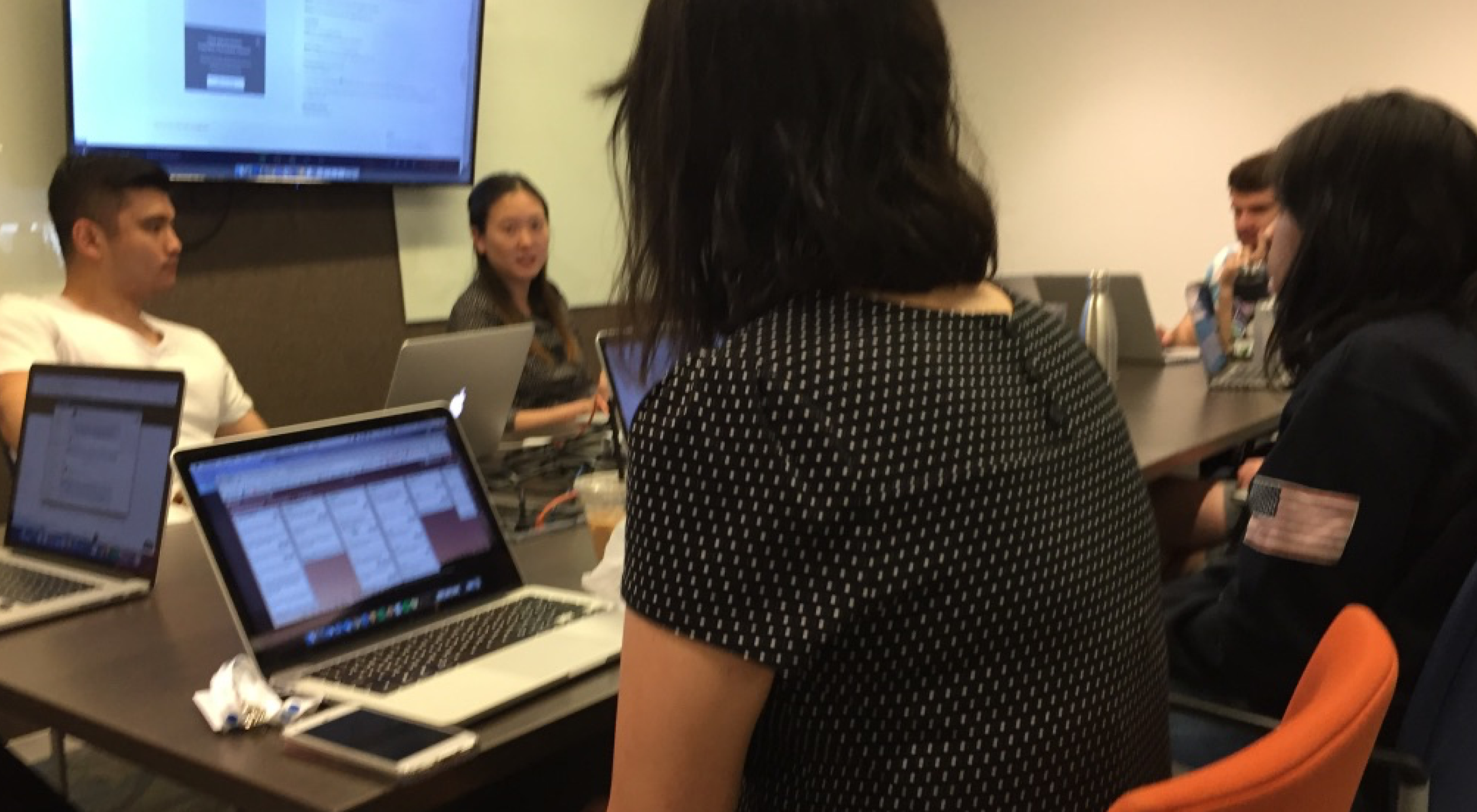
Web.com had tried to build a design system before and failed. Years of acquisitions had left the company with a sprawling product portfolio and no shared design foundation, and a previous attempt at unification had not stuck. Rather than repeat the same approach, I started by understanding why it failed. Ethnographic interviews, company-wide surveys, and workshops with more than 10 product teams revealed that the problem was never the components. It was the organization around them.
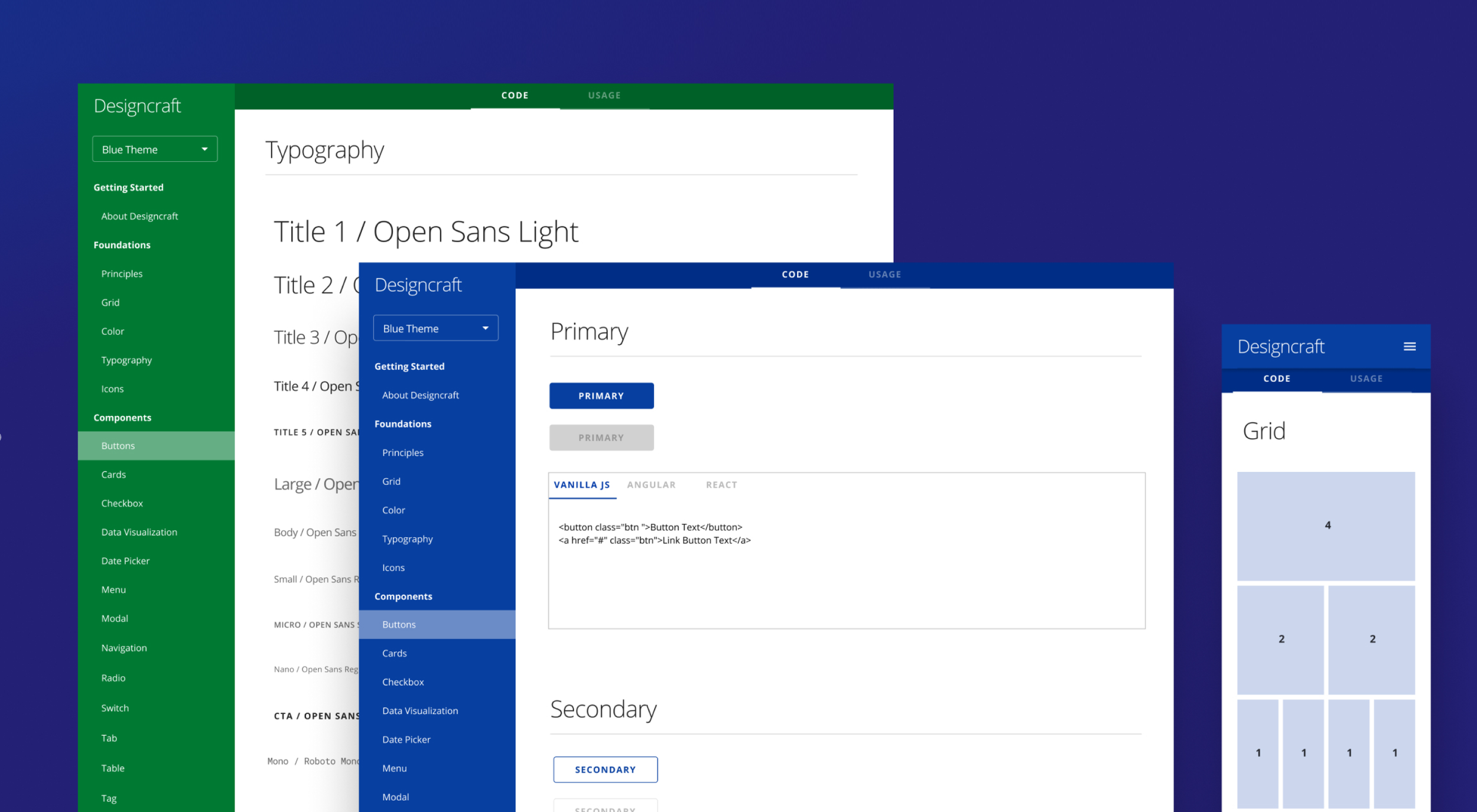
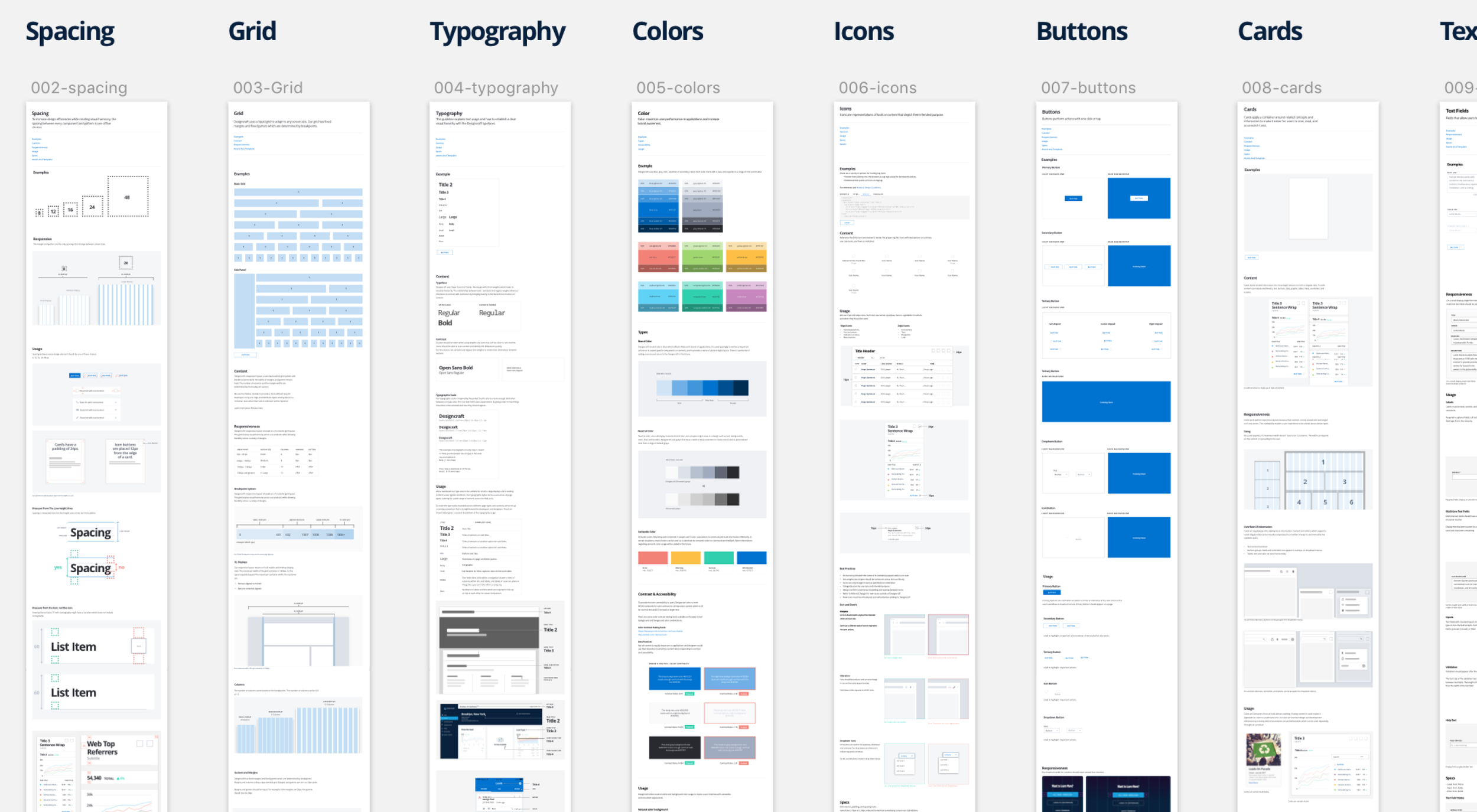
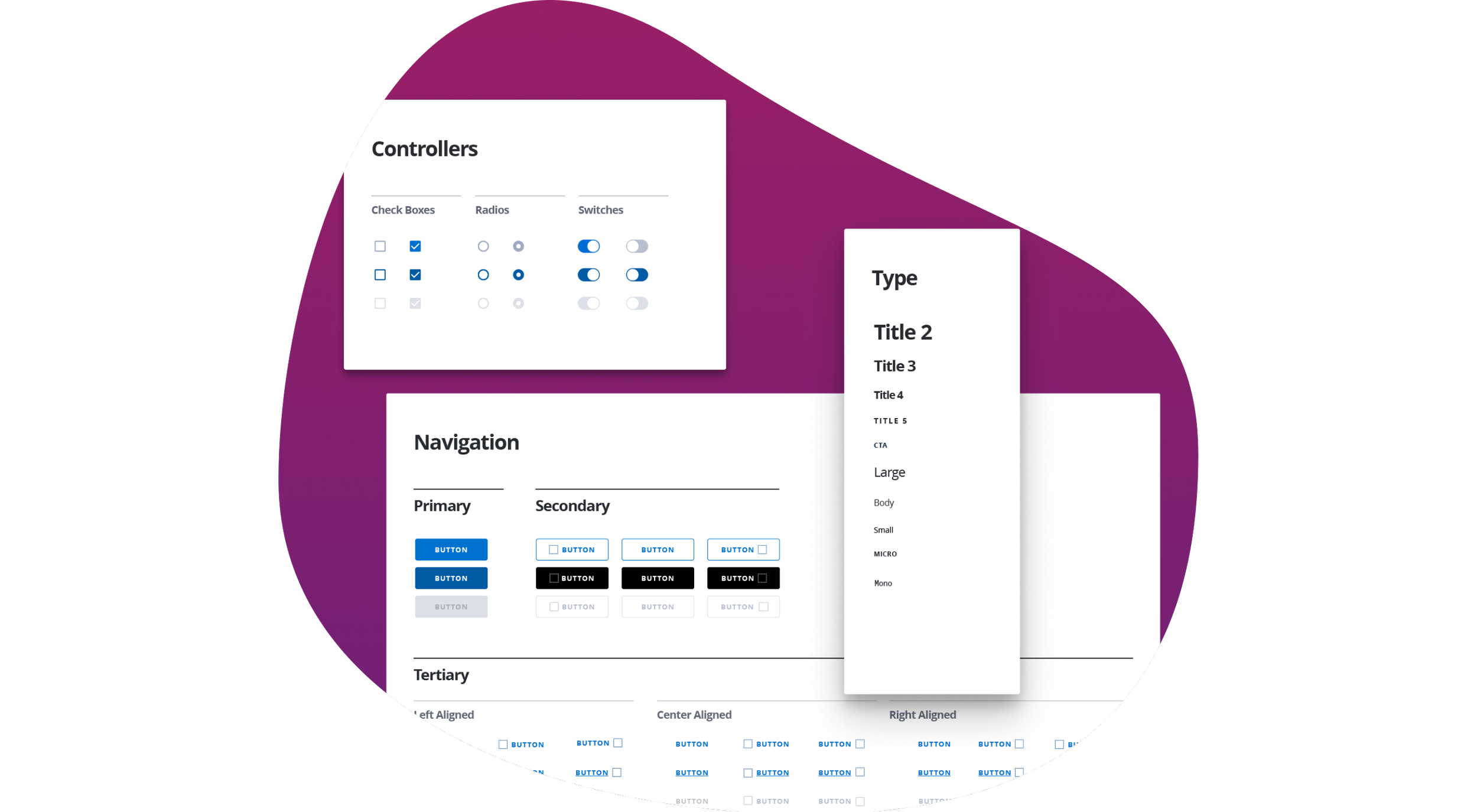
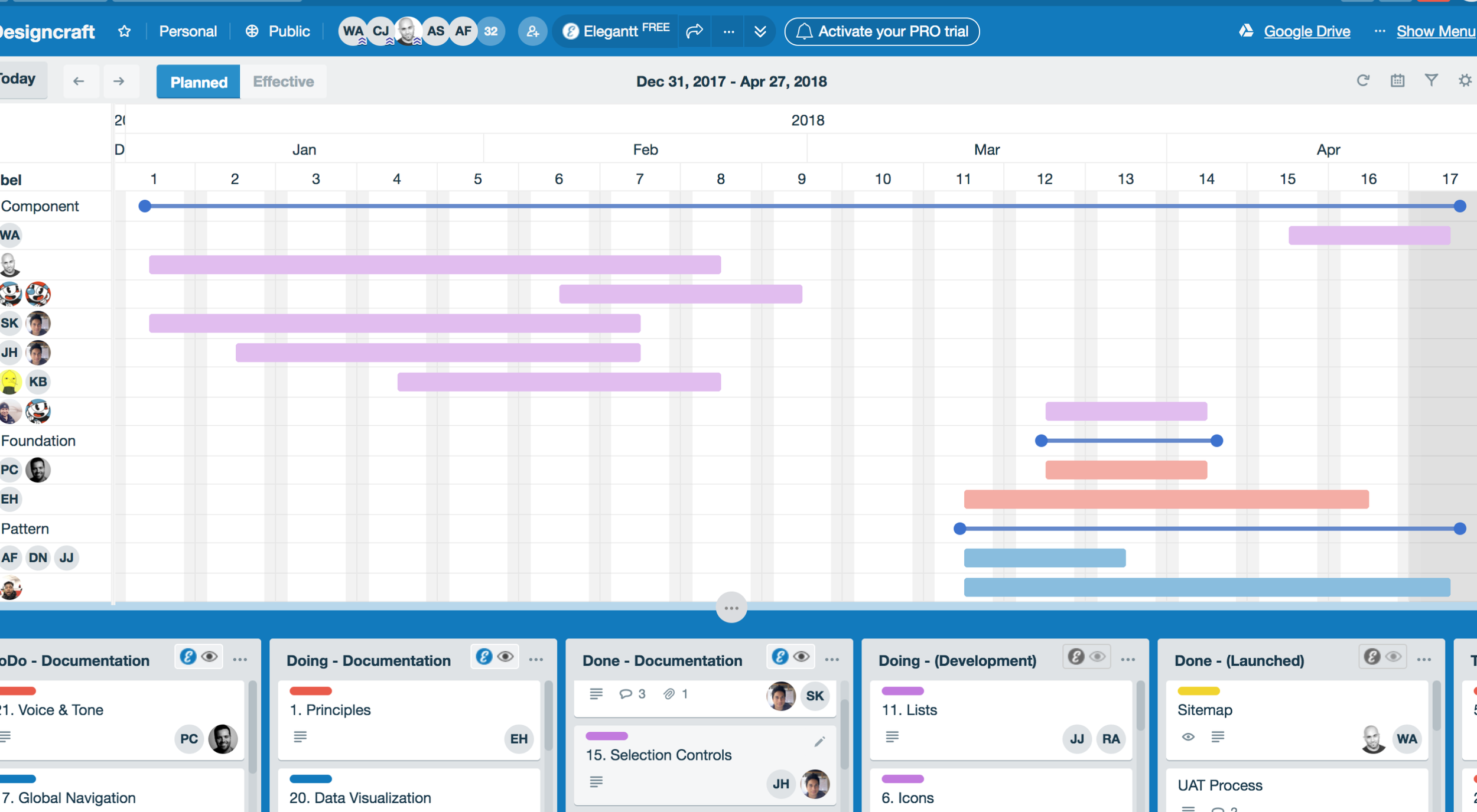
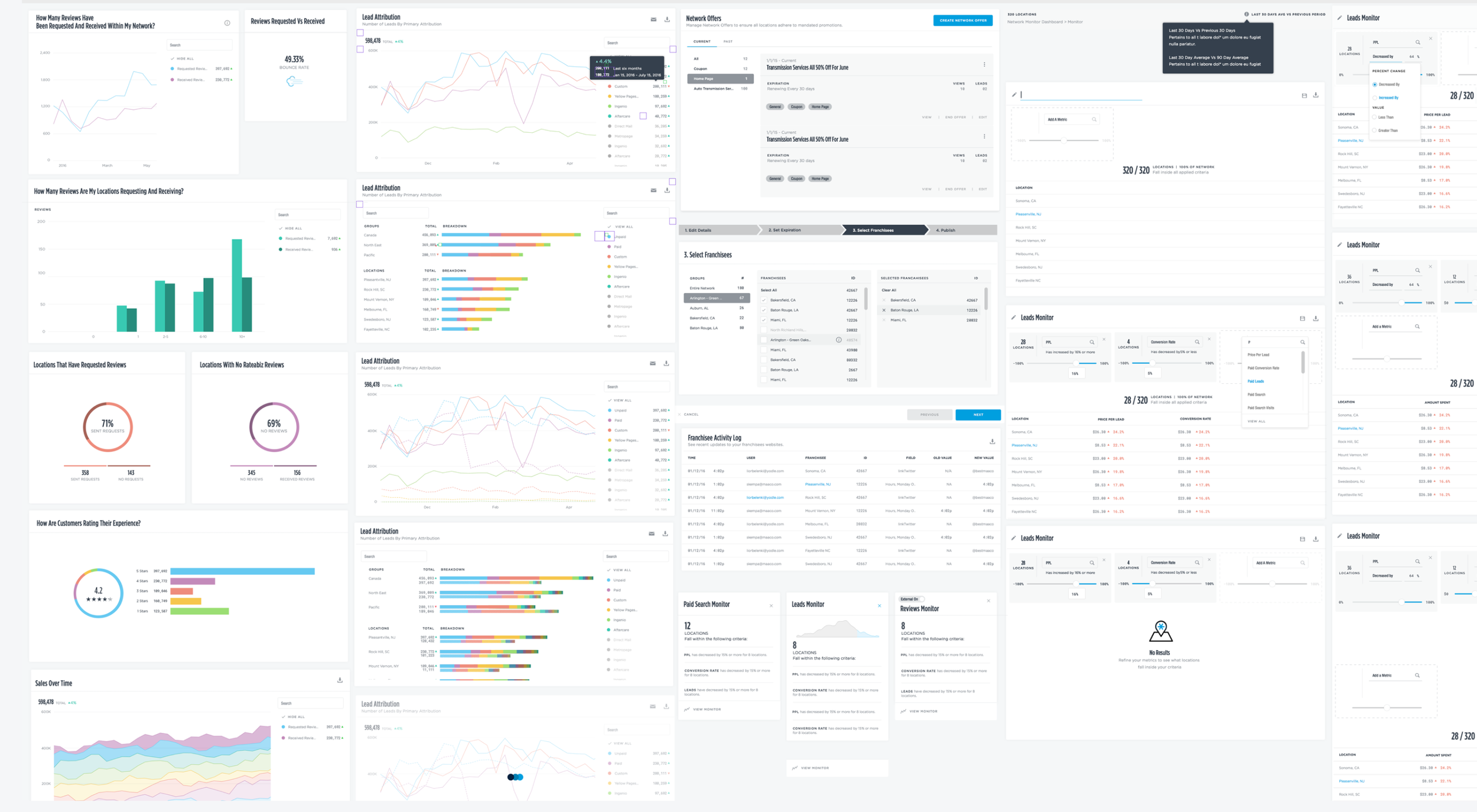
I built the case for a new approach, secured executive buy-in, and assembled a federated team of designers and developers from across the company to build Designcraft, Web.com's design system, from the ground up. The principles were simple by design: device agnostic, modular, and built for adoption across teams with different tech stacks and different ways of working. Designers were paired directly with developers throughout the build. The result was a system that actually stuck, bringing consistency to 15 product teams, reducing redundant work, and giving designers the foundation they needed to focus on what mattered most.